
Quick Summary
Turnkey emergency base camps give disaster response teams housing, dining, power and hygiene in one coordinated setup, so crews spend less time on logistics and more time on site. They are most valuable in the first 72 hours, when every delay costs time. One provider can handle design, delivery, setup and operation.
- A turnkey model means one provider handles design, delivery, setup and operation.
- Turnkey camps can include sleeping quarters, dining, sanitation, and power generation and equipment, depending on scope.
- Confirm that power and wastewater handling are in scope before you sign.
- Start planning by defining how many people will stay, how long the deployment lasts, and the terrain and climate.
- Confirm site access, power capacity, water supply, waste handling and a command location before equipment arrives.
Table of Contents
- Why Emergency Base Camps Matter in Disaster Response
- Turnkey Base Camp Services That Save Time on Site
- Planning Your Next Emergency Response Base Camp Setup
- Frequently Asked Questions
Why Emergency Base Camps Matter in Disaster Response
Disaster response depends on having people on site who can work without losing hours to logistics. A turnkey emergency base camp puts housing, dining, power and hygiene in one coordinated setup, critical in the first 72 hours, when crews are tired and every delay costs time. Browse turnkey base camp solutions to see what a complete setup includes.
Emergency base camps give first responders, utility crews and recovery teams a secure place to rest, eat and coordinate. Without one, teams travel long distances between hotel and work zone, cutting into shift time. See the medical and healthcare deployment units built for mass casualty and disaster response.
FEMA guidance on emergency management and response operations
Many emergency managers treat the camp as part of the response itself. A well-placed camp can shorten travel and give leaders one location to track personnel.
Turnkey Base Camp Services That Save Time on Site
A turnkey model means one provider handles design, delivery, setup and operation. The client can reduce coordination with separate vendors for sleeping quarters, dining, power and sanitation.
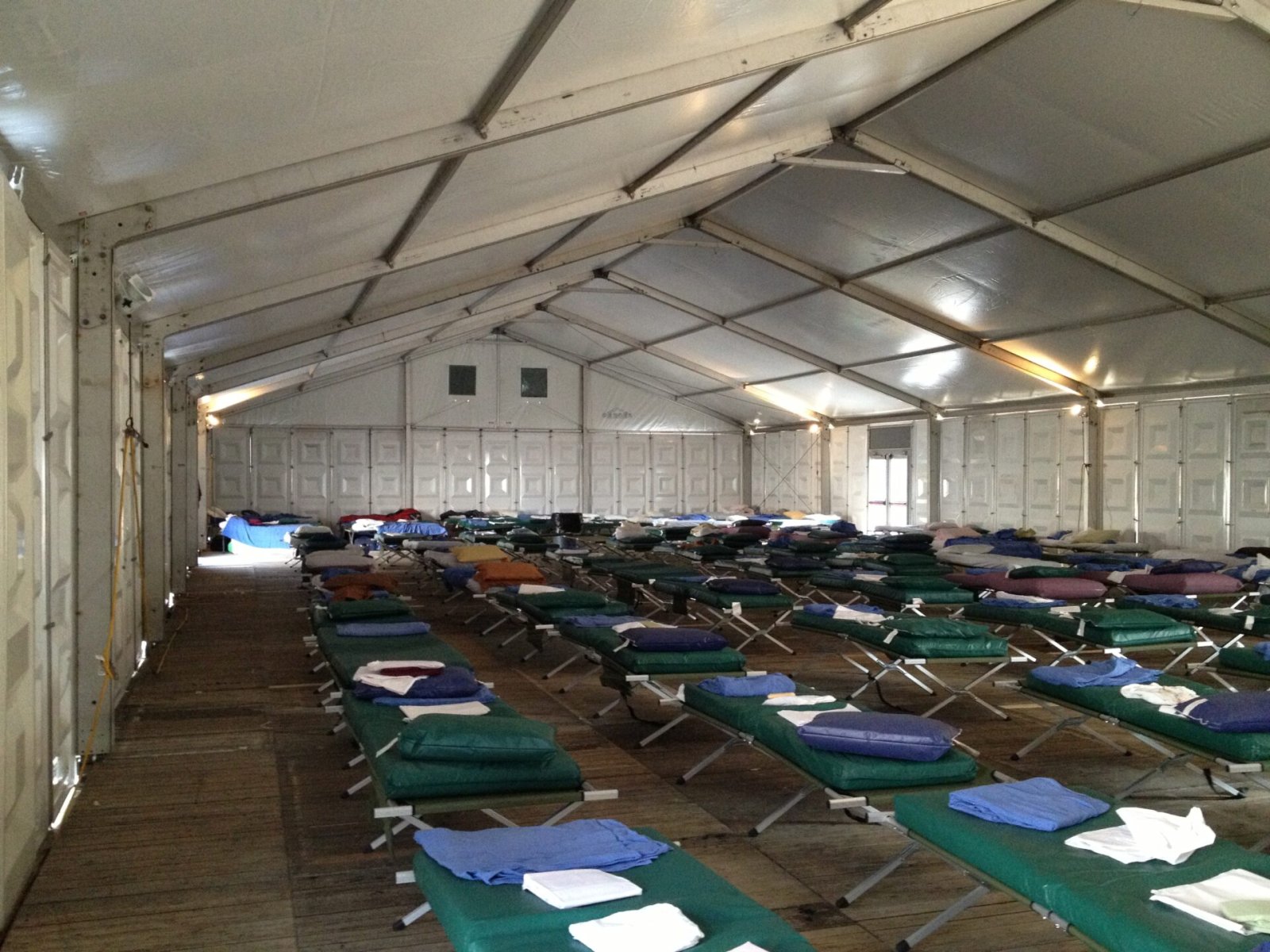
FlexTC's turnkey base camps can include sleeping quarters, dining, and ablution and sanitation facilities, along with power generation and equipment, depending on project scope.
Confirm that power and wastewater handling are in scope before you sign.
A turnkey base camp can bundle several site functions under one provider, and the article notes which components may be included.
|
Component |
Included in scope |
Note |
|---|---|---|
|
Sleeping quarters |
Yes |
Depends on project scope |
|
Dining |
Yes |
Depends on project scope |
|
Ablution and sanitation |
Yes |
Depends on project scope |
|
Power generation and equipment |
Yes |
Depends on project scope |
|
Power and wastewater handling |
Confirm before signing |
Verify scope before contract |
Planning Your Next Emergency Response Base Camp Setup
Start with three questions: how many people will stay on site, how long the deployment will last, and what the terrain and climate will demand. These shape camp layout, utilities and staffing.
Pricing depends on quantity, deployment dates and delivery location, so request a quote from FlexTC for current pricing. Read how temporary expansion solutions are priced to understand the cost factors before you ask. Then confirm site access, power capacity, water supply, waste handling and a clear command location before equipment arrives.
Planning ahead is where the real time savings come from. Defining requirements early can help teams plan their deployment.
Frequently Asked Questions
How quickly can a turnkey base camp be deployed?
Deployment time depends on the number of units, site access, utility connections and delivery distance, so FlexTC cannot promise a fixed timeline here. Contact FlexTC for a site-specific schedule and confirmed deployment window. Planning ahead, including confirming site access and power connections before the camp arrives, is the most reliable way to shorten setup time.
What services are typically included in a turnkey emergency base camp?
A turnkey base camp is designed to be handed over ready to use, so responders do not have to coordinate separate vendors for each need. Services can include sleeping quarters, dining, ablution and sanitation facilities, and power generation, depending on the scope agreed for your project. FlexTC can confirm exactly which services are included in a given quote.
What is the difference between a turnkey base camp and a temporary shelter?
A temporary shelter usually provides only sleeping space, while a base camp supports a full working team with housing, food, hygiene, utilities and coordination areas. A turnkey base camp is delivered and set up as a complete system. Pricing varies with quantity, dates and delivery, so request a quote from FlexTC for current costs.


