
Quick Summary
Speeding up modular building construction comes mainly from running factory production and site preparation at the same time, so the site is ready when modules ship. Freezing the design early, confirming permits and inspections in advance, and planning transport and crane access before the first module leaves the factory also cut delays.
- Confirm the foundation design early so factory and site teams work from one plan.
- Schedule site preparation to finish just before modules are due to arrive.
- Set a design freeze date and keep it, limiting later changes to safety or code items.
- List every required permit before production begins and schedule inspections for each stage.
- Plan the route, crane setup and site access before the first module ships.
Want a faster modular build?FlexTC helps plan site prep, delivery and temporary space so modules arrive to a ready site.
Table of Contents
- Last Updated: November 10, 2026
- Run Factory Production and Site Preparation in Parallel
- Lock Down Design, Permits and Inspections Early
- Plan Transport, Crane Access and Site Logistics Before Modules Ship
- Frequently Asked Questions
Last Updated: November 10, 2026
Last Updated: November 10, 2026
Run Factory Production and Site Preparation in Parallel
Speed in modular building construction can come from running two jobs at once: site work starts while modules are built in the factory, cutting idle time.
The factory builds walls, floors, and roofs under controlled conditions while the crew prepares foundations, utilities, and access routes on site. Teams can also use temporary tent structures and trackout control mats to keep the site ready while modules are being built. The site is ready when modules ship. Early interior work can start as modules arrive, using modular wall partitions for temporary or semi-permanent walls and dividers.
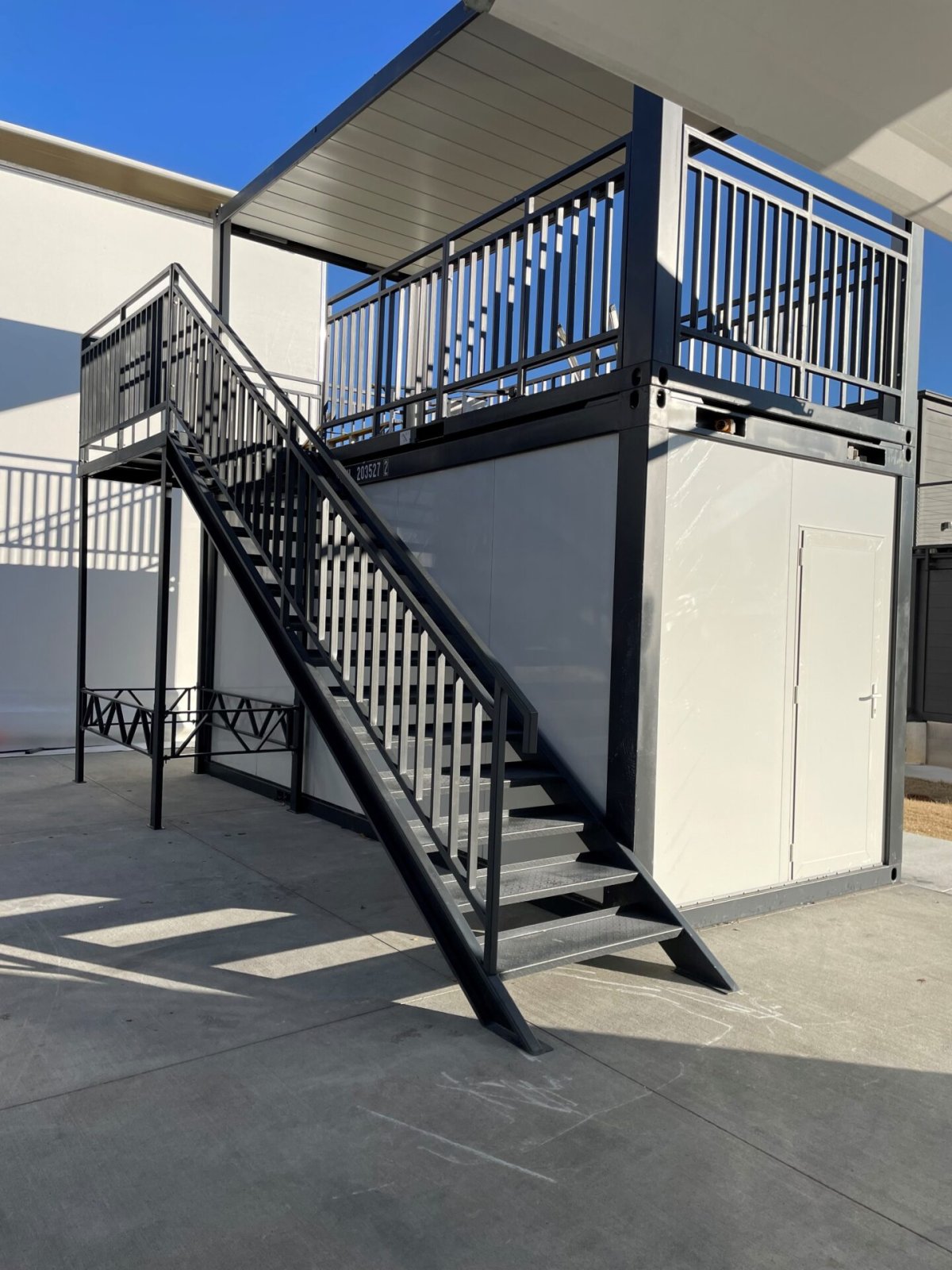
- Confirm the foundation design early so the factory and site teams work from the same plan
- Schedule site preparation to finish just before modules are due to arrive
- Protect the site from weather and trackout so delays do not stack up
- Track factory output weekly and compare it against the site schedule
Lock Down Design, Permits and Inspections Early
Design changes are the most common cause of slow modular projects. Each late change forces the factory to stop, rework drawings, and rebook materials. International Code Council building code resources
Freeze the design before factory production starts, and confirm permits and inspections for each phase early to avoid rework.
- Set and keep a design freeze date
- List every required permit before production begins
- Schedule inspections for each stage
- Limit change orders to safety or code items
Plan Transport, Crane Access and Site Logistics Before Modules Ship
Delivery is where many modular schedules break down. Plan the route, crane setup, and site access before the first module leaves the factory. Delivered units can be linked to existing buildings with covered walkways.
Contact FlexTC to talk through transport, crane access, and site requirements for your project. While permanent modules are delivered, you can also look at modular office solutions for a quick-to-deploy workspace.
Ready to shorten your next modular build? Contact FlexTC to plan your delivery, site setup, and schedule.
Frequently Asked Questions
How quickly can a modular building be constructed?
Timelines depend on module count, site readiness, approvals and transport access. Because modules are built in a controlled factory while site preparation proceeds at the same time, many projects finish faster than comparable traditional builds. The biggest gains come from starting site work early and freezing designs before production begins. Exact durations vary by project, so request a schedule estimate from FlexTC based on your specific requirements and site conditions.
What are common causes of delays in modular construction?
The most frequent delays come from late design changes, incomplete permit approvals, unready foundations, and transport or crane access problems on site. Rework caused by unresolved interfaces between modules and site utilities also slows projects. Avoiding these issues requires clear design sign-off, early inspection planning, and a logistics plan covering delivery routes and lifting equipment before the first module leaves the factory.
Does modular construction always take less time than traditional construction?
Not always. Modular construction saves time when design is settled early, site preparation runs in parallel with factory production, and transport is planned in advance. If design changes continue during fabrication or site access is poor, the schedule advantage can shrink. Ask FlexTC to review your project timeline against your site and approval requirements before assuming a shorter build.


